Bodo
Jul-28-2025, 10:34 GMT
USA - United Staates America
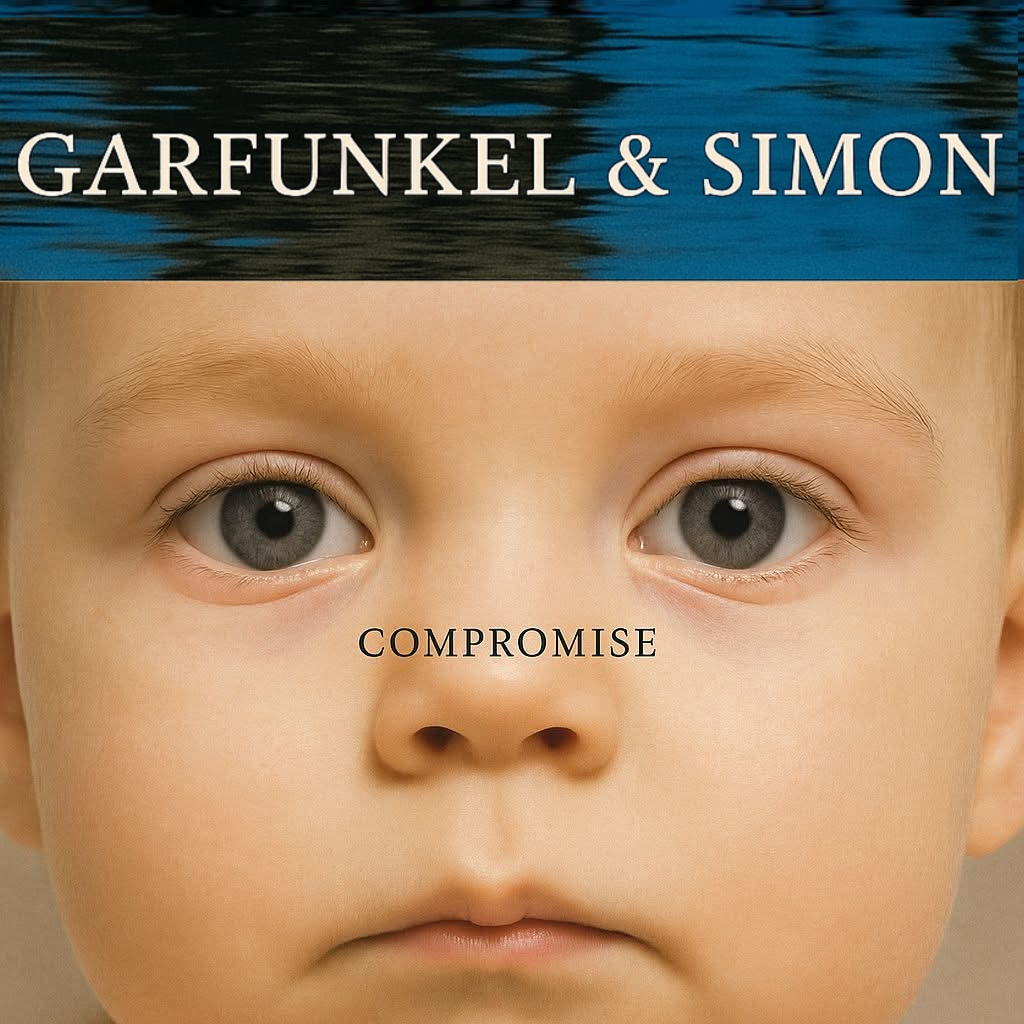
  | In 2002, Paul Simon wrote *Father and Daughter*—a personal, melodic piece for his daughter.
A few months later, while traveling alone in Barbados, Art Garfunkel shared a long, unplanned lobster dinner with Brian Eno. At some point—somewhere between a debate on number patterns in British train timetables and the second glass of white wine—Garfunkel tried singing a line from Paul Simon’s newest song: Father and Daughter. But as he reached the word daughter, he choked—on both the lyric and a piece of lobster shell. Coughing, red-faced, he finally gasped, “I don’t have a daughter.” Eno, unfazed, dabbed his mouth and offered a simple fix: “Then let’s call it Father and Son. You have one. Paul has three.” The title stayed—with a twist. It was the first of many compromises and the begin of a sonic landscape partnership by Brian and Garfunkel and Simon.
The album grew from there. Garfunkel took the lead on writing, for the first time supplying both music and lyrics. Simon agreed—on the condition that his solo track *That’s Me* remained untouched by Eno’s ambient textures. Garfunkel got his synths, Simon got his dry acoustic guitar.
The biggest shift came quietly, without ceremony: the names were flipped. After decades of tradition, the circle closed. What had once been Simon & Garfunkel became, at last, Garfunkel & Simon. It was more than layout. It marked the moment when Garfunkel’s melodic instinct, his harmonic clarity, and his quiet endurance took their rightful place at the center of the collaboration. Simon accepted the compromise with grace—perhaps even relief. In return, he allowed himself to write his name slightly larger on the royalty checks.
Compromise only included 8 tracks, this was said to be a compromise about giving too much to The audience they actually do not care for. The songs, written by Art Garfunkel, reflect the album’s spirit.
*How Can They Love Me in the Northeast* sets the tone: a Garfunkel composition through and through, part lament, part landscape, full of regional resentment and gliding falsetto. His hope to be loved forever is a testament to modern fandom.
*Everything Is About Me and My Love Songs* walks the line between honesty and self-parody— a quiet whispering voice seems to tell the truth about the songwriter and his love for his songs.
*Waittime for Dinners* turns boredom into opera, Garfunkel remembers how often he had to wait for the soup and sends wait time prayers to the kitchen.
And *Another Gal I See* proves that Garfunkel still remembers every face from 1973.
Compromise doesn’t try to sound like the past. It just lets two people move forward, separately and together. |
Jochen
Jul-28-2025, 13:31 GMT
USA - United Staates America
| This is an incredible story! It sheds a completely different light on Art Garfunkel and shows him as the true genius he was over the years!
I always thought the rather clumsy "Perfect Moment" was the pinnacle of his musical and lyrical output. After all, he often said at his concerts how proud he was of this piece; so proud that he usually sang it twice.
Thank you, Bodo, for bringing the true story out of the darkness and into the light! <3
And thank you so much, Bodo, for this site! I've been coming back here every day for years and enjoy the news, information, and humorous contributions from you and the community :) |
Bodo
Jul-30-2025, 23:02 GMT
USA - United Staates America
| Lyrics on Waittime for Dinners
Because you can not start with the main dish,
If you just halfway through the soup.
But I don't pretend that I am hungry man
With a medium steak well done
I try to tap into some chipotle sauce
Even little drop would do it
I want the rip and some potatoes
And a clean glass of wine
Before I am through... |

 Jochen